Why Does Vinyl Liner Service Require Special Attention?
Vinyl liner pools make up roughly 30% of the inground pool market in the United States, with the highest concentrations in the Northeast, Midwest, and Mid-Atlantic states. If you service pools in those regions, liners are a significant part of your business. The service fundamentals are the same as any pool: test, balance, clean, inspect. But the consequences of getting chemistry wrong are more expensive on a vinyl liner than on any other pool surface. A plaster pool can tolerate a bad chemistry week. A vinyl liner exposed to concentrated chlorine or aggressive pH can be permanently damaged in 24 to 48 hours.
Vinyl liners have a defined lifespan of 10 to 15 years with proper maintenance, though well-maintained liners can last 15 to 20 years. As a service professional, your job is to maximize that lifespan through proper chemistry management, protect the liner from preventable damage, identify early signs of failure, and guide the customer through the replacement process when the time comes. Liner replacement is a $3,000 to $7,000 project, and the customer who trusts you to tell them when it is truly needed (and not a year early or two years late) is a customer you keep for the life of the pool.
This guide covers vinyl liner-specific chemistry targets, chlorine contact prevention, leak detection techniques, signs that a liner is failing, and how to have the replacement conversation with customers.
What Are the Chemistry Targets for Vinyl Liner Pools?
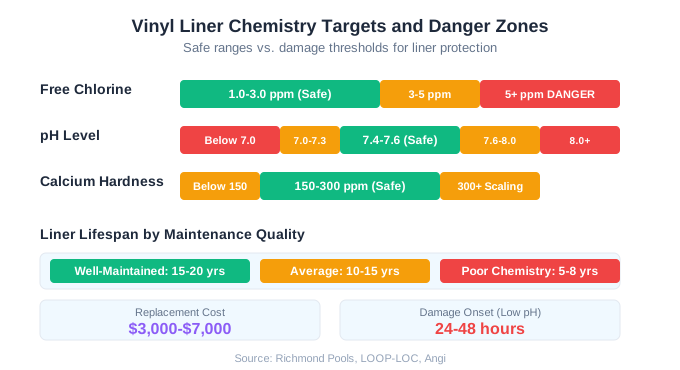
Vinyl liners are affected by every chemistry parameter, but three factors cause the most damage: chlorine concentration, pH extremes, and calcium hardness. Getting these right extends liner life by years. Getting them wrong accelerates fading, brittleness, and eventual failure.
| Parameter | Vinyl Target | Why It Matters |
|---|---|---|
| Free chlorine | 1.0-3.0 ppm | Chlorine above 3 ppm accelerates vinyl degradation |
| pH | 7.4-7.6 | Below 7.0 for 24-48 hours causes permanent liner damage |
| Total alkalinity | 80-120 ppm | Buffers pH to prevent dangerous swings |
| Calcium hardness | 150-300 ppm | Too low causes liner wrinkling, too high causes scaling |
| CYA (cyanuric acid) | 30-50 ppm | Protects chlorine from UV but does not directly affect liner |
| Water temperature | Below 85°F ideal | High temps accelerate chlorine consumption and vinyl aging |
Chlorine: The Biggest Threat
The ideal chlorine range for vinyl pools is 1.0 to 3.0 ppm, but the real danger is concentrated chlorine contact, not ambient levels. Chlorine tablets resting on a vinyl liner will bleach and dissolve the vinyl within hours. Granular shock that settles to the bottom before dissolving creates the same concentrated contact damage. High chlorine levels above 5 ppm for extended periods cause the vinyl to become brittle, fade, and crack. Some sources recommend keeping free chlorine at 1.0 to 1.5 ppm for maximum liner protection, running the lower end of the acceptable range.
pH: The Silent Killer
pH below 7.0 maintained for just 24 to 48 hours can begin permanent degradation of a vinyl liner. Low pH makes the water aggressive, leaching plasticizers from the vinyl and causing it to become stiff and prone to cracking. High pH above 8.0 reduces chlorine effectiveness, potentially requiring more chlorine additions that further stress the liner. The 7.4 to 7.6 range provides the best balance between liner protection and sanitizer efficiency.
Calcium Hardness
Unlike plaster pools where the water will dissolve the pool surface if calcium is too low, vinyl pools do not contribute or absorb calcium. However, calcium hardness still matters. Below 150 ppm, low-calcium water can cause liner wrinkling as the water tries to absorb minerals from any available source. Above 300 ppm, calcium deposits form on the liner surface, creating rough patches and white scaling. Maintain 150 to 300 ppm calcium hardness, with 200 ppm as the ideal midpoint.
When you take over a vinyl liner account, test all parameters immediately and photograph the liner condition. Document any existing bleaching, wrinkles, staining, or bead separation. This protects you from liability if pre-existing damage is later attributed to your service.
How Do You Prevent Chlorine Contact Damage?
Chlorine contact damage is the number one preventable cause of vinyl liner failure. It happens when concentrated chlorine sits on the liner surface rather than being dispersed throughout the water volume. Prevention comes down to how you add chlorine, how you shock, and how you manage the customer expectations about tablet placement.
Tablet Placement Rules
- Never place chlorine tablets directly on the liner surface, steps, or bench seats
- Use a floating dispenser or inline/offline chlorinator for tablet delivery
- If using a floating dispenser, adjust the vent openings so the dispenser empties over 5-7 days, not 2-3
- Remove the floating dispenser when the pool is not in use if it tends to drift to one spot and bleach that area
- Do not overload the dispenser. Use the minimum number of tablets needed to maintain 1-3 ppm
- For inline chlorinators, set the dial to the lowest effective setting and adjust gradually
Shock Treatment Protocol for Vinyl
When shocking a vinyl liner pool, use liquid chlorine (sodium hypochlorite) instead of granular products. Liquid chlorine disperses immediately without any risk of granules settling on the liner and causing bleach spots. If you must use granular shock, pre-dissolve it completely in a bucket of pool water before adding it to the pool. Pour the pre-dissolved solution around the perimeter with the pump running. Never broadcast dry granular shock directly into a vinyl liner pool.
Shock at dusk or after dark, not during midday. UV light degrades chlorine rapidly, so daytime shocking wastes product and may require higher doses to achieve the target. Nighttime shocking allows the chlorine to work for 8 to 12 hours at full strength. Target a shock dose that brings free chlorine to 10 ppm for algae kills or 5 ppm for routine oxidation. Allow chlorine to drop below 3 ppm before the next use.
Customer Education
Many vinyl liner damage incidents happen when the homeowner adds chemicals between your visits. Educate customers about the tablet placement rules and shock procedures during your first visit. Leave a written note or card in the pump room: "DO NOT place chlorine tablets in the pool, in the skimmer basket, or on any pool surface. Use only the floating dispenser or chlorinator." This simple step prevents the most common customer-caused liner damage.
How Do You Detect Leaks in Vinyl Liner Pools?
Vinyl liner pools are more susceptible to leaks than plaster or fiberglass because the liner is a thin membrane (typically 20 to 30 mil thick) that can be punctured, torn at seams, or fail at fittings and penetrations. As a service professional, you should be able to perform basic leak detection and know when to refer to a specialist.
The Bucket Test
The bucket test confirms whether water loss is from a leak or from evaporation. Fill a bucket to match the pool water level, place it on the first step or bench, and mark the water levels inside and outside the bucket. Wait 24 to 48 hours with the pump running normally. If the pool water drops more than 1/4 inch below the bucket water level, the pool has a leak. Normal evaporation in summer is 1/4 to 1/2 inch per day depending on temperature, wind, and humidity, so the bucket test accounts for these variables by exposing both water volumes to the same conditions.
Dye Testing
Once you confirm a leak exists, dye testing helps locate it. Use a dye syringe with dark-colored leak detection dye (not food coloring, which disperses too quickly). With the pump off and the water still, release 3 to 4 drops of dye near suspected leak points: around fittings, return jets, the main drain, skimmer throat, steps, light niche, and any visible wrinkles, tears, or seam separations. Watch the dye for two to three minutes. If it is drawn toward a specific spot, you have found the leak. Dye testing works best on calm, windless days when there is no water movement to disperse the dye.
Common Leak Locations on Vinyl Liners
- Faceplate gaskets at return fittings and skimmer throat (most common location)
- Light niche gasket and conduit connection
- Main drain area and hydrostatic relief valve
- Seam separations, especially at corners and where walls meet the floor
- Step and bench areas where the liner wraps around complex shapes
- Punctures from sharp objects dropped in the pool
- Bead track area where the liner hooks into the coping
When to Refer to a Leak Detection Specialist
If dye testing does not locate the leak, or if the leak is in the plumbing rather than the liner, refer to a professional leak detection company. Plumbing leaks require pressure testing of individual lines, which requires specialized equipment (pipe mic, pressure rig, electronic listening equipment). Professional leak detection typically costs $200 to $500 for a full assessment. This is worth the cost because an undetected plumbing leak can waste thousands of gallons of water per month and cause structural damage to the pool shell.
How Do You Identify a Failing Liner?
A vinyl liner does not fail all at once. It degrades gradually, and recognizing the stages of failure lets you prepare the customer for eventual replacement rather than surprising them with an emergency. Liners typically last 10 to 15 years, with well-maintained liners reaching 15 to 20 years.
Signs of Liner Aging and Failure
| Sign | What It Means | Action |
|---|---|---|
| Color fading | UV and chemical degradation of the vinyl pigments | Cosmetic only. Monitor but no replacement needed |
| Surface roughness | Plasticizer loss making the vinyl stiff and textured | Sign of aging. Begin discussing replacement timeline |
| Brittleness or cracking | Advanced plasticizer loss. Liner is becoming rigid | Replacement needed within 1-2 seasons |
| Persistent wrinkles | Liner has stretched or shrunk from chemistry issues | Assess if wrinkles trap debris. May need replacement |
| Bead separation | Liner pulling out of the coping track | Urgent. Water loss and structural risk if not addressed |
| Multiple patches | Liner integrity is compromised in multiple locations | Replacement recommended. Patching delays the inevitable |
| Water loss (no plumbing leak) | Liner has developed micro-tears or pinholes | Replacement needed. Dye test to confirm liner is the source |
Documenting Liner Condition
Document the liner condition with photos and written notes at least twice per year: once at seasonal opening and once mid-season. Note any areas of fading, roughness, wrinkles, staining, or bead issues. This documentation serves two purposes: it tracks the liner degradation rate so you can predict when replacement will be needed, and it protects you from claims that your service caused the deterioration. A well-documented history showing gradual aging is your best defense against a customer who wants to blame the service provider for normal wear.
How Do You Have the Replacement Conversation?
Telling a customer they need a $3,000 to $7,000 liner replacement is one of the more delicate conversations in pool service. Done well, it strengthens the customer relationship and positions you as a trusted advisor. Done poorly, it feels like an upsell and erodes trust.
Start the Conversation Early
Do not wait until the liner is actively leaking to mention replacement. When you begin noticing signs of aging (roughness, fading, minor wrinkles), include a note in your service report: "The liner is showing normal wear consistent with its age. No immediate action needed, but we recommend budgeting for replacement in the next 2-3 seasons." This plants the seed early and gives the customer time to plan financially. When replacement becomes necessary, it is a continuation of an ongoing conversation, not a sudden expense.
Frame It Around Protection, Not Sales
The customer needs to understand what happens if they delay replacement too long: water loss from leaks, potential structural damage to the pool walls from groundwater pressure, higher chemical costs from water replacement, and the risk of a catastrophic failure during the swimming season when replacement lead times are longest. Frame the conversation around protecting their investment: "Replacing the liner now on your schedule costs $4,000 to $5,000. Waiting for an emergency replacement in July could cost 30% more due to rush scheduling, and the pool could be down for two to three weeks during peak season."
Replacement Cost Expectations
| Component | Cost Range | Notes |
|---|---|---|
| Liner material (inground) | $800-$4,000 | 20-mil standard, 27-30 mil premium |
| Professional installation | $1,100-$2,600 | Includes draining, removal, fitting, and filling |
| Draining service | $500-$700 | May be included in installation quote |
| Permit fees | $100-$300 | Varies by jurisdiction |
| Total replacement | $3,000-$7,000 | Varies by pool size, liner thickness, and market |
Recommend that customers choose a 27-mil or thicker liner for the replacement. The material cost increase of $200 to $400 adds two to four years of usable life. For customers with pets, heavy use, or a history of punctures, a 28 to 30 mil premium liner is worth the investment. Thicker liners resist punctures, hold their shape better, and maintain color longer.
If you do not install liners yourself, build a referral relationship with two to three reputable liner installation companies. When a customer needs replacement, you provide the recommendation and coordinate the timing. After installation, you manage the startup chemistry. This keeps the customer in your ecosystem and often generates a referral fee from the installer.
Run a pool route?
The business side of what you just read.
Pricing, chemical costs, and the tools owners use to keep the numbers straight.
- Commercial pool service pricing2026 rate tables and the cost-plus formula
- Chemical cost per poolWhat chemicals actually cost per stop
- Chemical tracking softwareLog readings and dosing from the pool deck
- Pool service softwareRoutes, invoicing, and service reports in one app
- Free profit & rate calculatorsProfit per pool, minimum rate, break-even
Frequently Asked Questions
How long does a vinyl pool liner last?
Vinyl pool liners typically last 10 to 15 years for inground pools and 6 to 10 years for above-ground pools. With proper chemistry management (keeping chlorine at 1 to 3 ppm, pH between 7.4 and 7.6, and preventing concentrated chlorine contact), well-maintained liners can reach 15 to 20 years. The primary factors that shorten liner life are high chlorine exposure, low pH, UV degradation, and physical damage from sharp objects or improper cleaning tools.
Can you put chlorine tablets in a vinyl liner pool skimmer?
It is not recommended. When the pump turns off, the tablet continues dissolving in the skimmer, creating a concentrated chlorine solution. When the pump restarts, this concentrated slug of chlorine passes through the plumbing and can bleach the liner near the return jets. Use a floating dispenser or an inline/offline chlorinator instead. If the customer insists on skimmer tablet use, they need to understand the liner damage risk and that the damage is not covered by any liner warranty.
What is the best way to shock a vinyl liner pool?
Use liquid chlorine (sodium hypochlorite) for shocking vinyl liner pools. Liquid chlorine disperses immediately without any risk of granules settling on the liner and causing bleach damage. If you must use granular shock, pre-dissolve it completely in a bucket of pool water before adding it to the pool. Pour the solution around the perimeter with the pump running. Never broadcast dry granular shock into a vinyl liner pool. Shock at dusk or after dark for best results, targeting 5 to 10 ppm free chlorine depending on the purpose.
How much does vinyl liner replacement cost?
Inground vinyl liner replacement typically costs $3,000 to $7,000 total, including liner material ($800 to $4,000 depending on thickness and pattern), professional installation ($1,100 to $2,600), draining service ($500 to $700 if not included), and permit fees ($100 to $300). Liner material costs vary by thickness: standard 20-mil liners are the most affordable, while premium 27 to 30-mil liners add $200 to $700 but last significantly longer. Above-ground liner replacement is less expensive, typically $500 to $2,000 total.
How do you find a leak in a vinyl liner pool?
Start with the bucket test to confirm water loss is from a leak and not evaporation. If the pool loses more than 1/4 inch beyond the bucket level in 24 hours, you have a leak. Next, use dye testing around common leak points: return fittings, skimmer throat, light niche, main drain, step areas, and any visible wrinkles or seam separations. Release dye near the suspected area with the pump off and watch for the dye to be drawn toward the leak. If dye testing does not locate the leak, refer to a professional leak detection company for pressure testing of plumbing lines ($200 to $500).