Why Should Pool Service Companies Offer Leak Detection?
Pool leak detection is a natural service extension for any pool service company, and it is one of the most profitable add-ons you can offer. The Association of Pool and Spa Professionals estimates there are over 10.4 million residential pools and 309,000 public pools in the United States. Industry estimates suggest roughly one in ten pools has an active leak at any given time. That is a massive market, and your existing customers are the first ones who should call you when they notice water loss.
Most pool service companies already perform basic leak screening as part of their routine work. You notice when a pool loses water faster than evaporation explains. You see the wet spots in the yard. You refill the pool more often than normal. The question is whether you formalize leak detection as a billable service, invest in the right equipment, and build a pricing structure that turns your diagnostic skills into revenue. Professional leak detection services charge $150 to $500 per assessment. Even if you only perform two to three leak detections per month, that is $3,600 to $18,000 in additional annual revenue with high margins.
This guide covers the full leak detection service offering: basic techniques any pool tech can perform, when to invest in professional equipment, how to price leak detection services, and what to do with the diagnosis after you find (or do not find) the leak.
What Basic Leak Detection Techniques Can Any Pool Tech Perform?
You do not need $5,000 in equipment to start offering leak detection. The most effective initial diagnostic techniques use tools you already have or can buy for under $50. These basic methods confirm whether a leak exists, narrow down the general location, and determine whether the leak is in the pool structure or the plumbing.
The Bucket Test
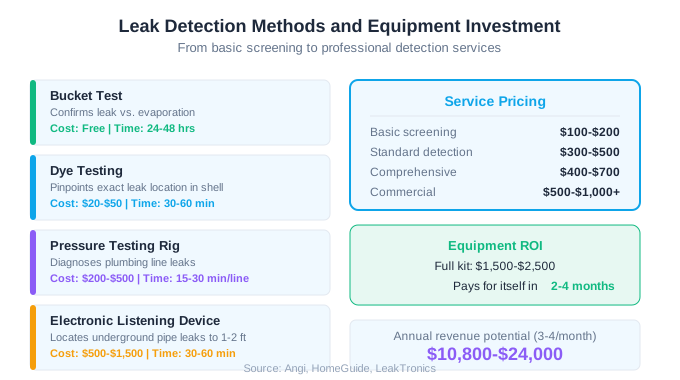
The bucket test is the first step in any leak investigation. It determines whether water loss is from a leak or from normal evaporation. Fill a five-gallon bucket with pool water and place it on the first step or bench, weighting it with a rock so it does not float. Mark the water level inside the bucket and the pool water level on the outside of the bucket. Wait 24 to 48 hours with the pump running on its normal cycle. If the pool water drops more than 1/4 inch below the bucket water level, the pool has a leak. Both water surfaces are exposed to the same evaporation conditions, so any difference indicates actual water loss.
Pump On vs Pump Off Test
After confirming a leak exists, determine whether it is on the pressure side (return plumbing) or the suction side (skimmer/drain plumbing) by running two bucket tests: one with the pump running for 24 hours and one with the pump off for 24 hours. If the pool loses more water with the pump on, the leak is likely on the pressure side (returns, after the pump). If it loses more with the pump off, the leak is on the suction side (skimmer line, main drain line, or in the pool shell itself). If water loss is the same in both tests, the leak is in the pool structure (shell, liner, or fittings) rather than the plumbing.
Dye Testing
Dye testing pinpoints the exact leak location once you have narrowed down the general area. Use a specialized leak detection dye syringe (not food coloring, which disperses too quickly). Turn the pump off and let the water become completely still. Release three to four drops of dye near a suspected leak point. Watch for two to three minutes. If the dye is drawn toward a specific spot, you have found the leak. Dye testing works for shell cracks, fitting leaks, light niche gaskets, skimmer throats, and vinyl liner tears. It is most effective on calm, windless days with no water circulation.
Common Leak Locations to Check First
- Return fitting gaskets and faceplates (most common leak location)
- Skimmer throat where the skimmer meets the pool wall
- Light niche gasket and conduit connection
- Main drain area and hydrostatic relief valve
- Tile line or coping separation from the pool shell
- Equipment pad plumbing connections (unions, valves, pump seals)
- Vinyl liner seams, especially at corners and wall-floor transitions
- Step and bench areas on vinyl and fiberglass pools
Before performing dye testing, lower the water level to just below the suspected leak point and observe whether the water stops dropping at a specific level. If the water consistently stabilizes at the same point (for example, just below the return fittings), that gives you a strong indicator of the leak elevation before you even deploy the dye.
When Should You Invest in Professional Leak Detection Equipment?
Basic techniques (bucket test, dye testing, visual inspection) handle shell and fitting leaks effectively. But plumbing leaks, underground pipe failures, and micro-leaks that are too small for dye testing require electronic equipment. The decision to invest depends on your service volume and the revenue potential in your market.
Professional Equipment Options
| Equipment | Cost | What It Does | When You Need It |
|---|---|---|---|
| Pressure testing rig | $200-$500 | Pressurizes individual plumbing lines to detect leaks | Underground pipe leaks, plumbing leak isolation |
| Electronic listening device | $500-$1,500 | Amplifies underground water sounds to locate pipe leaks | Locating leaks in buried plumbing lines |
| Complete leak detection kit | $1,500-$2,500 | Includes pipe mic, pressure rig, dye kit, and carrying case | Full-service leak detection offering |
| Thermal imaging camera | $300-$1,000 | Detects temperature differences from water escaping pipes | Deck and yard leaks where wet spots are not visible |
Pressure Testing
Pressure testing is the definitive method for diagnosing plumbing leaks. You isolate an individual plumbing line (return, skimmer, main drain), pressurize it with air or water using a test rig, and monitor the pressure gauge. A line that holds pressure for 30 seconds is tight. A line that loses more than 2 PSI during the test has a leak. Pressure testing costs $200 to $500 for the equipment and takes 15 to 30 minutes per line. It is the skill that separates basic leak screening from professional leak detection.
Electronic Listening Equipment
Once a pressure test confirms which line is leaking, electronic listening equipment locates where along the buried pipe the leak is occurring. The pipe microphone amplifies the sound of water or air escaping from the pipe underground. By moving the sensor along the pipe path, you can pinpoint the leak location to within one to two feet. This is critical for minimizing excavation. Without electronic location, the repair contractor has to dig up the entire pipe run. With it, they dig a small section. The cost savings in repair labor justifies the equipment investment quickly.
Investment Math
A complete leak detection kit costs $1,500 to $2,500. If you charge $300 to $500 per leak detection and perform two per month, the equipment pays for itself in two to four months. At three to four detections per month, you generate $10,800 to $24,000 in annual revenue from leak detection alone, with minimal material costs (the equipment is reusable). The main investment is training time: plan for 20 to 40 hours of practice on your own and customer pools before you are confident enough to charge professional rates.
$1,500-$2,500
Cost for a complete professional leak detection equipment kit
Source: LeakTronics and industry equipment suppliers
How Should You Price Leak Detection Services?
Leak detection pricing should reflect the specialized skill and equipment involved, not your hourly pool cleaning rate. This is diagnostic work, similar to a plumber or HVAC technician performing a system diagnosis. Price accordingly.
Pricing Models
| Service Level | Price Range | Scope | Time Required |
|---|---|---|---|
| Basic screening | $100-$200 | Bucket test, visual inspection, dye test at fittings | 30-60 minutes |
| Standard detection | $300-$500 | Full shell inspection, dye testing, pressure test of 2-3 lines | 2-4 hours |
| Comprehensive detection | $400-$700 | Full shell and plumbing inspection, pressure testing all lines, electronic location | 3-6 hours |
| Commercial pool detection | $500-$1,000+ | Large pool shell, multiple plumbing runs, detailed report | 4-8 hours |
Flat Fee vs Hourly
Flat fee pricing is recommended for leak detection. Customers want to know what the diagnosis will cost before they commit. An hourly rate creates uncertainty and resistance, especially because leak detection times vary widely. Experienced technicians using electronic equipment may find a leak in 30 minutes. The same leak might take a less experienced tech four hours. The customer should not pay for your learning curve, and you should not be penalized for being efficient. Set a flat fee based on the service level (basic, standard, comprehensive) and adjust pricing annually based on your market and experience.
Pricing for Existing Customers vs New Customers
For existing pool service customers, consider offering a 10% to 15% discount on leak detection as a loyalty benefit. This reinforces the value of the ongoing service relationship and increases the likelihood they call you first instead of a standalone leak detection company. For new customers who find you through leak detection, the assessment becomes your opportunity to demonstrate competence and convert them to regular pool service. Many successful pool companies use leak detection as a lead generation tool: the $300 assessment fee is worth it even at breakeven if 30% of new leak detection customers convert to monthly pool service.
What Do You Do After Finding the Leak?
Finding the leak is only half the value. The other half is what you recommend next. Your diagnosis report and repair recommendation are what the customer pays for. A clear, professional report that explains the leak location, cause, severity, and repair options justifies your diagnostic fee and positions you for the repair revenue (or a referral fee if you do not perform repairs).
The Diagnostic Report
Deliver a written diagnostic report for every leak detection, even when you do not find a leak. The report should include the tests performed, the results of each test, the confirmed or suspected leak location, photos and dye test documentation, estimated water loss rate, and your recommended repair approach with estimated cost range. A professional report reinforces the value of your service, gives the customer documentation for their records (or insurance claims), and demonstrates the thoroughness that justifies your fee.
Repair Scenarios
| Leak Type | Typical Repair | Estimated Cost | Can You Do It? |
|---|---|---|---|
| Return fitting gasket | Replace gasket and faceplate | $50-$150 | Yes, standard pool service skill |
| Skimmer throat crack | Epoxy repair or skimmer replacement | $150-$500 | Yes, with pool plumbing experience |
| Light niche gasket | Replace conduit seal and gasket | $100-$300 | Yes, straightforward repair |
| Vinyl liner tear | Underwater patch or liner section repair | $75-$200 | Yes, with vinyl patch kit |
| Underground pipe leak | Excavate and repair or reroute pipe | $500-$2,500+ | Refer to plumbing/repair specialist |
| Shell crack (gunite) | Structural repair and replaster area | $500-$3,000+ | Refer to structural repair specialist |
| Main drain line | Pressure test, locate, excavate, repair | $1,000-$5,000+ | Refer unless you have excavation capability |
Performing Repairs vs Referring
Simple fitting and gasket repairs are within the scope of any experienced pool service technician and represent easy additional revenue on the same visit. Underground pipe repairs, structural shell repairs, and main drain work require specialized equipment and expertise. Build referral relationships with two to three reputable pool repair and plumbing companies. When you refer a repair, provide the customer with your diagnostic report so the repair company does not charge them again for leak detection. Many repair companies will pay a referral fee ($50 to $200) or reciprocate by referring their pool service leads to you.
When You Do Not Find the Leak
Not every leak investigation yields a definitive answer. Sometimes the leak is intermittent (only occurs when the pump is on or when the pool reaches a certain water level). Sometimes it is too small to detect with available equipment. Be honest with the customer. Explain what you tested, what you ruled out, and what the next steps would be (more advanced electronic testing, or monitoring water loss over a longer period with controlled conditions). Do not fabricate a diagnosis to justify your fee. Deliver the report showing the work performed and the inconclusive result. Most customers respect the honesty and will call you back when the leak worsens enough to locate.
A leak that costs a customer $50 to $200 per month in water, chemicals, and energy waste is costing them $600 to $2,400 per year. Frame the repair cost against the ongoing waste cost. A $500 repair that stops $150 per month in water loss pays for itself in just over three months. This makes the repair decision easy for most customers.
How Do You Market Leak Detection to Your Customer Base?
The best leak detection leads are your existing pool service customers. They already trust you, you are already at their property regularly, and you are in the best position to notice early signs of water loss. Here is how to turn that position into leak detection revenue.
Proactive Identification
Train your technicians to flag potential leaks during routine service. Signs include: water level consistently dropping more than 1/4 inch per day (beyond evaporation), wet spots in the yard near the pool or equipment pad, air bubbles in the pump strainer basket (suction-side leak), cracks in the deck that were not there before, and chemical consumption that seems disproportionately high for the pool size. When your tech flags a potential leak, contact the customer with a professional message: "During today service visit, our technician noticed your pool water level is dropping faster than normal evaporation. We recommend a leak assessment to determine if there is an issue. The assessment is $300 and takes approximately two hours."
Seasonal Campaigns
Spring opening season is the best time to promote leak detection. Pools that sat over winter may have developed leaks from ground movement, freeze-thaw cycles, or settling. Send an email or service note to your customer base in early spring: "Has your pool been losing water faster than usual? Spring is the ideal time for a leak assessment before the swimming season begins. Early detection prevents bigger problems and higher water bills." Include your leak detection pricing and a simple call-to-action to schedule the service.
Website and Local SEO
Add a dedicated leak detection service page to your website. Pool owners searching "pool leak detection near me" are high-intent customers ready to buy. Optimize the page for local search with your service area, pricing information, and a description of your process. Include photos of your equipment and a sample diagnostic report. This page captures leads from pool owners who are not yet your customers, giving you an acquisition channel that also demonstrates your technical capabilities for regular pool service.
Run a pool route?
The business side of what you just read.
Pricing, chemical costs, and the tools owners use to keep the numbers straight.
- Commercial pool service pricing2026 rate tables and the cost-plus formula
- Chemical cost per poolWhat chemicals actually cost per stop
- Chemical tracking softwareLog readings and dosing from the pool deck
- Pool service softwareRoutes, invoicing, and service reports in one app
- Free profit & rate calculatorsProfit per pool, minimum rate, break-even
Frequently Asked Questions
How much does pool leak detection cost?
Pool leak detection services typically cost $150 to $500 for residential pools, with most comprehensive assessments priced at $300 to $500. Basic screening (bucket test, visual inspection, dye testing at fittings) runs $100 to $200 and takes 30 to 60 minutes. Standard detection including pressure testing costs $300 to $500 and takes two to four hours. Commercial pool detection ranges from $500 to $1,000 or more due to larger pool size and more complex plumbing systems. Pricing varies by geographic location, with urban areas typically charging $250 to $500 and rural areas $150 to $350.
How do you know if your pool has a leak?
The most reliable method is the bucket test. Fill a bucket with pool water, place it on the first step, and mark the water levels inside and outside the bucket. After 24 to 48 hours, if the pool water has dropped more than 1/4 inch below the bucket water level, the pool has a leak. Other signs include: water bills significantly higher than normal, wet or soggy spots in the yard near the pool, air bubbles in the pump strainer basket, cracks in the pool deck, and needing to add water more than once per week during normal conditions.
What equipment do you need for professional pool leak detection?
A complete professional leak detection kit costs $1,500 to $2,500 and typically includes a pressure testing rig ($200 to $500), electronic listening device or pipe microphone ($500 to $1,500), leak detection dye syringes ($20 to $50), test plugs for isolating plumbing lines, and a carrying case. A thermal imaging camera ($300 to $1,000) is an optional addition for locating underground wet spots. Basic leak detection can be started with just dye syringes and a pressure rig for under $500, adding electronic equipment as your leak detection volume justifies the investment.
How long does pool leak detection take?
Basic screening (bucket test confirmation, visual inspection, dye testing at common leak points) takes 30 to 60 minutes. Standard detection including dye testing and pressure testing of two to three plumbing lines takes two to four hours. Comprehensive detection including all plumbing lines and electronic leak location takes three to six hours. Commercial pools with multiple bodies and extensive plumbing can take four to eight hours. The bucket test itself requires 24 to 48 hours, so schedule the full assessment for a follow-up visit after the bucket test confirms a leak.
Can pool service companies do their own leak detection?
Yes, and there are strong financial reasons to add the service. Basic leak detection (bucket test, dye testing, visual inspection) requires no special equipment beyond a dye syringe kit ($20 to $50). Pressure testing requires a $200 to $500 test rig and training. A full professional kit costs $1,500 to $2,500 and pays for itself in two to four months at two detections per month. Plan for 20 to 40 hours of practice before charging professional rates. Many pool service companies start with basic screening, then invest in equipment after they see consistent demand from their customer base.
What is the most common location for a pool leak?
The most common leak location is at return fitting gaskets and faceplates, where the fitting meets the pool wall. Over time, the gasket degrades from chemical exposure and temperature cycling, allowing water to seep through. Other frequent leak locations include the skimmer throat (where the skimmer body meets the pool wall), light niche gaskets, main drain connections, and equipment pad plumbing (union joints, valve seals, pump mechanical seals). On vinyl liner pools, seam separations and fitting penetrations are the most common leak points.