Why Does Fiberglass Pool Service Require a Different Approach?
Fiberglass pools are the fastest-growing segment of the residential pool market, and if you service pools in any Sun Belt state, you are seeing more of them every year. The appeal to homeowners is obvious: lower maintenance, smoother surfaces, and faster installation. But for pool service professionals, fiberglass demands a different approach to chemistry, cleaning, and surface protection than plaster or vinyl. The gelcoat finish that makes fiberglass low-maintenance is also what makes it vulnerable to specific chemistry-related damage that does not affect other pool surfaces.
The most common mistakes pool techs make on fiberglass pools come down to chemistry: too much calcium, too high pH, wrong chlorine products, or aggressive cleaning tools that damage the gelcoat. These mistakes cause osmotic blisters, chalking, discoloration, and surface roughness that are expensive to repair and easy to prevent. Corey Adams learned this the hard way early in his career: "We treated fiberglass pools like plaster pools and wondered why we were getting callbacks for surface problems. Once we adjusted our chemistry targets and stopped using calcium-based chlorine, the problems disappeared."
This guide covers fiberglass-specific chemistry targets, equipment considerations, osmotic blister identification and prevention, cleaning best practices, and how to communicate fiberglass care requirements to customers.
What Chemistry Targets Are Different for Fiberglass Pools?
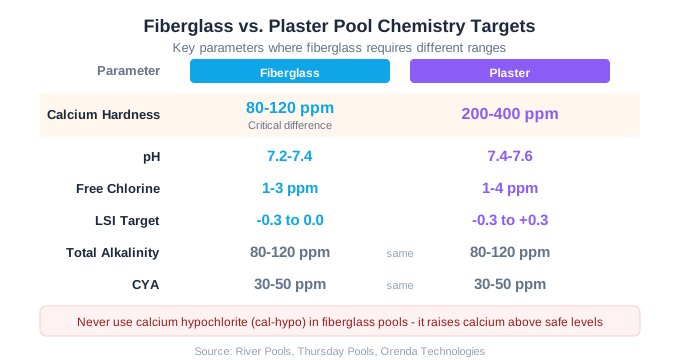
Fiberglass pools have a gelcoat finish that is fundamentally different from plaster or vinyl. The gelcoat is a semi-permeable surface, which means water molecules can pass through it. This property makes fiberglass pools uniquely sensitive to calcium hardness levels, pH, and the type of chlorine used. Getting these parameters wrong does not just affect water quality. It damages the pool surface itself.
| Parameter | Fiberglass Target | Plaster Target | Why It Differs |
|---|---|---|---|
| Calcium hardness | 80-120 ppm | 200-400 ppm | High calcium causes scaling and discoloration on gelcoat |
| pH | 7.2-7.4 | 7.4-7.6 | Tighter range prevents osmotic blistering and gelcoat stress |
| Free chlorine | 1-3 ppm | 1-4 ppm | High chlorine accelerates gelcoat degradation |
| Total alkalinity | 80-120 ppm | 80-120 ppm | Same target applies |
| CYA (cyanuric acid) | 30-50 ppm | 30-50 ppm | Same target applies |
| LSI target | -0.3 to 0.0 | -0.3 to +0.3 | Slightly negative preferred to prevent calcium deposition |
Calcium Hardness: The Critical Difference
Calcium hardness is the single most important chemistry difference for fiberglass pools. While plaster pools need 200 to 400 ppm calcium hardness to prevent the water from dissolving the plaster surface, fiberglass pools should stay below 120 ppm. High calcium in a fiberglass pool causes white scale deposits on the gelcoat that are difficult to remove without damaging the surface. If your source water is above 120 ppm calcium hardness, the customer needs to use a stain and scale control product regularly, and you should factor that into your service pricing.
pH: Tighter Control Required
Keep pH between 7.2 and 7.4 for fiberglass pools. This is tighter than the 7.4 to 7.6 range commonly used for plaster pools. When pH climbs above 7.8, the gelcoat becomes more susceptible to osmotic blistering. When pH reaches 8.6 or higher, osmotic blisters can form rapidly. This is a pool chemistry issue, not a manufacturer defect, which means you need to educate customers about the connection between pH management and surface longevity.
Chlorine Product Selection
Never use calcium hypochlorite (cal-hypo) in a fiberglass pool. Every granule of cal-hypo adds calcium to the water, and over a season of regular shocking, calcium levels climb above the 120 ppm threshold. Use liquid chlorine (sodium hypochlorite) for routine sanitation and shocking. Liquid chlorine adds no calcium and provides consistent, controllable dosing. Dichlor can be used for occasional shock treatments but adds CYA, so monitor stabilizer levels closely. Salt chlorine generators work well with fiberglass pools because they produce chlorine through electrolysis without adding calcium.
When taking over a fiberglass pool account from another service provider, test calcium hardness immediately. If it is above 200 ppm, the previous provider was likely using cal-hypo. You may need a partial drain and refill to bring calcium back into range before scaling becomes visible.
What Are Osmotic Blisters and How Do You Handle Them?
Osmotic blisters are the signature surface problem on fiberglass pools, and as a service professional, you need to know how to identify them, explain them to customers, and prevent them through proper chemistry management. Blisters appear as small raised bumps on the pool surface, typically 1/4 to 1 inch in diameter, and they can occur anywhere on the walls or floor.
How Osmotic Blisters Form
The gelcoat on a fiberglass pool acts as a semi-permeable membrane. Small water molecules pass through the gelcoat into the laminate layers behind it. Once inside, the water interacts with polyester resin, creating solutes that cannot pass back through the gelcoat. This creates osmotic pressure: water continues to migrate inward, accumulating between the gelcoat and the fiberglass laminate. The trapped water pushes the gelcoat outward, forming a visible blister. Modern manufacturers use vinyl ester resin as the first layer behind the gelcoat because it is 100% waterproof, but older pools and lower-quality shells may use polyester resin that is more susceptible to osmosis.
Identifying Blisters vs. Other Surface Issues
- Osmotic blisters: raised bumps with liquid underneath, soft when pressed, typically form in clusters
- Air blisters (manufacturing defect): raised bumps with air underneath, hard when pressed, usually present from installation
- Calcium deposits: white, rough patches that are flat against the surface, not raised
- Gelcoat chalking: dull, powdery surface that rubs off on your hand, caused by high calcium and high pH
- Fading/discoloration: uniform color change, typically from UV exposure or aggressive chemical use
Prevention Through Chemistry
Proper water chemistry is the primary prevention method for osmotic blisters. Maintain pH between 7.2 and 7.4, keep calcium hardness below 120 ppm, use liquid chlorine instead of cal-hypo, and maintain a slightly negative LSI to discourage calcium deposition. Regular use of a chelating agent (such as a metal and scale control product) binds calcium and other minerals in solution, reducing their interaction with the gelcoat surface. Consistent chemistry management prevents the vast majority of osmotic blister occurrences.
What to Do When You Find Blisters
Small blisters (under 1/4 inch) that are isolated can often be monitored without repair. Document them with photos and measurements at each visit. If blisters are growing, spreading, or the customer is concerned, refer them to a fiberglass pool repair specialist. Blister repair involves draining the pool, grinding out the affected area, filling with vinyl ester resin, and re-gelcoating. This is not a service task. It is a repair job that requires specialized materials and experience. Your role is to document the issue, adjust chemistry to prevent progression, and connect the customer with a qualified repair company.
What Equipment Considerations Are Specific to Fiberglass?
Fiberglass pools use the same basic equipment as other pool types (pumps, filters, heaters, sanitizers), but several equipment choices and maintenance practices need to be adjusted to protect the gelcoat surface.
Cleaning Tools
Use only nylon-bristle brushes on fiberglass pools. Never use stainless steel or wire brushes, which will scratch and damage the gelcoat. For robotic cleaners, verify that the model is rated for fiberglass surfaces. Some robotic cleaners have aggressive scrubbing pads designed for plaster that will scratch gelcoat over time. Suction-side and pressure-side cleaners are generally safe if they have smooth wheels and non-abrasive contact surfaces. When vacuuming manually, use a standard vacuum head without metal wheels or sharp edges.
Salt Chlorine Generators
Salt chlorine generators are an excellent match for fiberglass pools because they produce chlorine without adding calcium. However, salt cells produce chlorine at very high pH (around 13) at the point of generation, which can cause localized pH spikes near the return jets. This makes pH monitoring even more important on salt-equipped fiberglass pools. Set the cell to produce only what is needed to maintain 1 to 3 ppm free chlorine, and ensure the salt cell is properly sized for the pool volume. Oversized cells that run at high output can contribute to scaling near the returns.
Heaters
Fiberglass pools can be heated with any standard pool heater (gas, heat pump, or solar), but the pool surface does not retain heat as well as plaster or concrete. Customers may notice slightly higher heating costs compared to plaster pools of the same size. Heaters that cycle frequently can cause rapid temperature changes that stress the gelcoat. Recommend consistent temperature settings rather than heating the pool dramatically before each use.
Automatic Chemical Feeders
If the pool uses an inline or offline chlorinator, do not use trichlor tablets. Trichlor has a pH of approximately 2.8, which can cause localized acid damage to the plumbing near the feeder and contribute to low pH conditions that stress the gelcoat. If tablets are the preferred sanitizer method, use a floating dispenser rather than an inline feeder, and adjust the tablet count to maintain 1 to 3 ppm without overshooting. Liquid chlorine via a peristaltic pump is the best automated option for fiberglass pools.
How Do You Clean Fiberglass Pool Surfaces Properly?
Fiberglass pools are genuinely lower-maintenance than plaster, but they still need regular cleaning to prevent buildup that can damage the gelcoat or become difficult to remove over time.
Weekly Cleaning Protocol
- Brush walls and floor with a nylon-bristle brush at every service visit
- Pay extra attention to the waterline tile area (if present) or the waterline gelcoat zone
- Skim surface debris and clean skimmer and pump baskets
- Vacuum as needed using a smooth-bottomed vacuum head
- Inspect the surface for new blisters, discoloration, or roughness
- Check for staining around return jets and the main drain area
Stain Removal on Fiberglass
The most common stains on fiberglass pools are waterline rings (body oils, sunscreen, and minerals), metal stains (iron or copper from source water or corroding equipment), and calcium scale. For waterline cleaning, use a non-abrasive gel cleaner designed for fiberglass or gelcoat surfaces. Never use pumice stones, scouring pads, or household abrasive cleaners. For metal stains, use a sequestering agent to lift metals into solution and filter them out. For calcium scale, lower the pH to 7.2, add a chelating agent, and brush the affected area. Stubborn calcium deposits may require a professional treatment with specialized products that dissolve scale without damaging the gelcoat.
Gelcoat Polishing and Restoration
Over time, fiberglass gelcoat loses its gloss from UV exposure and chemical contact. Gelcoat that appears chalky or dull can often be restored by polishing with a marine-grade fiberglass polish. This is a billable service you can offer annually. The process involves draining the pool to the level of the affected area, cleaning the surface, applying polish with a low-speed buffer, and sealing with a fiberglass wax. This service typically takes four to eight hours and can be priced at $300 to $800 depending on pool size and severity.
Never acid wash a fiberglass pool. Acid washing is a plaster pool technique that will permanently damage the gelcoat surface. If a customer asks about acid washing a fiberglass pool, explain the difference in surface types and recommend gelcoat polishing as the appropriate alternative.
How Do You Communicate Fiberglass Care to Customers?
Fiberglass pool owners often believe their pool is "maintenance-free" because that is how it was sold to them. Educating customers about the specific care requirements of their fiberglass pool prevents damage, manages expectations, and positions you as a knowledgeable professional rather than just a pool cleaner.
Key Points to Communicate
- Fiberglass pools need lower calcium hardness than plaster pools, so do not add calcium hardness increaser
- Liquid chlorine is the recommended sanitizer. Calcium-based chlorine (cal-hypo) adds calcium that can damage the surface
- pH needs to stay between 7.2 and 7.4 to prevent osmotic blistering. This is a tighter range than many customers expect
- Only nylon brushes and non-abrasive tools should touch the pool surface. Wire brushes, pumice stones, and scouring pads scratch the gelcoat
- Small bubbles on the surface may be osmotic blisters. They are typically caused by chemistry imbalance, not manufacturing defects
- Annual gelcoat polishing can restore the surface gloss and extend the life of the finish
Handling the "My Pool Builder Said" Conversation
Customers sometimes relay advice from their pool builder that contradicts proper fiberglass maintenance. The builder may have told them the pool needs no maintenance, that any chlorine is fine, or that calcium hardness does not matter. Rather than contradicting the builder directly, frame your recommendations around the manufacturer guidelines. Most fiberglass manufacturers publish care guides that specify low calcium, liquid chlorine, and tight pH control. Reference the manufacturer documentation when explaining your approach: "Your manufacturer recommends keeping calcium below 120 ppm and using liquid chlorine to protect the gelcoat. We follow those guidelines to protect your warranty and keep the surface looking its best."
Leave a written care summary with every new fiberglass pool customer. Include the chemistry targets specific to their pool, recommended products, and practices to avoid. This document reinforces your expertise, prevents the customer from making damaging chemistry adjustments on their own, and creates a reference they can share with anyone who housesits or maintains the pool while they are away.
Run a pool route?
The business side of what you just read.
Pricing, chemical costs, and the tools owners use to keep the numbers straight.
- Commercial pool service pricing2026 rate tables and the cost-plus formula
- Chemical cost per poolWhat chemicals actually cost per stop
- Chemical tracking softwareLog readings and dosing from the pool deck
- Pool service softwareRoutes, invoicing, and service reports in one app
- Free profit & rate calculatorsProfit per pool, minimum rate, break-even
Frequently Asked Questions
What calcium hardness should a fiberglass pool maintain?
Fiberglass pools should maintain calcium hardness below 120 ppm, which is significantly lower than the 200 to 400 ppm target for plaster pools. High calcium causes white scale deposits on the gelcoat surface that are difficult to remove and can contribute to chalking and discoloration. If your source water is above 120 ppm calcium hardness, use a regular stain and scale control product to keep calcium in solution and prevent it from depositing on the pool surface. In extreme cases, partial drain and refill with lower-calcium source water may be necessary.
Can you use calcium hypochlorite in a fiberglass pool?
No, calcium hypochlorite (cal-hypo) should not be used in fiberglass pools. Every application adds calcium to the water, and over a season of regular shocking, calcium levels will climb above the 120 ppm threshold and cause scaling and discoloration on the gelcoat. Use liquid chlorine (sodium hypochlorite) for routine sanitation and shock treatments. Salt chlorine generators are also an excellent option for fiberglass pools because they produce chlorine without adding calcium to the water.
What causes osmotic blisters on fiberglass pools?
Osmotic blisters form when water molecules pass through the semi-permeable gelcoat and interact with polyester resin in the laminate layers beneath. This creates solutes that cannot pass back through the gelcoat, which draws more water inward through osmotic pressure. The accumulated fluid pushes the gelcoat outward, creating visible bubbles. High pH (above 7.8) accelerates blister formation. Prevention involves maintaining pH between 7.2 and 7.4, keeping calcium below 120 ppm, and using chelating agents to bind minerals in solution.
Can you acid wash a fiberglass pool?
No, never acid wash a fiberglass pool. Acid washing is a technique designed for plaster surfaces, where a thin layer of plaster is dissolved to reveal fresh material underneath. Fiberglass gelcoat is a thin, non-renewable surface coating. Acid contact will permanently damage, discolor, and roughen the gelcoat. If a fiberglass pool has staining or surface degradation, the appropriate approach is gelcoat polishing with marine-grade fiberglass polish and wax, or professional gelcoat repair for more severe damage.
How long does a fiberglass pool gelcoat last?
With proper chemistry management and regular maintenance, a fiberglass pool gelcoat lasts 15 to 25 years before needing professional refinishing. Factors that shorten gelcoat life include high calcium hardness, high pH, use of calcium-based chlorine, abrasive cleaning tools, and UV exposure without protective wax treatments. Gelcoat that appears chalky or faded can often be restored through polishing without a full refinishing. Annual polishing and wax application extend the appearance and functional life of the gelcoat significantly.
What cleaning tools are safe for fiberglass pools?
Use nylon-bristle brushes for wall and floor brushing. Never use stainless steel, wire, or abrasive brushes. For vacuuming, use a standard vacuum head with smooth, non-abrasive contact surfaces. Robotic cleaners should be specifically rated for fiberglass surfaces, as some models have aggressive scrubbing pads designed for plaster. For waterline cleaning, use non-abrasive gel cleaners formulated for fiberglass or gelcoat. Never use pumice stones, scouring pads, household abrasive cleaners, or magic eraser-type products on the gelcoat.